
Get Personalized Anti-Aging Care
Aging skin is a natural part of life, but factors like sun exposure, lifestyle, and genetics can accelerate the appearance of fine lines, uneven tone, dryness, and loss of firmness. While no treatment can stop the aging process, evidence-based skincare can help improve your skin’s appearance and support healthier-looking skin over time.
At APNS, our providers take the time to understand your skin concerns, goals, and medical history before recommending a personalized treatment plan. Whether you’re looking to address early signs of aging or maintain healthier skin for years to come, we offer convenient telehealth consultations with transparent pricing, no membership fees, and no insurance required.

About Atrophic Skin Disorder / Aging Skin
What Is Atrophic Skin Disorder?
Atrophic skin disorder refers to skin that has become thinner, more fragile, less elastic, and more prone to wrinkles, bruising, tearing, dryness, and irritation. In everyday language, this is often called aging skin.
Aging skin may appear as:
- Fine lines
- Wrinkles
- Thin or fragile skin
- Crepey texture
- Brown spots or “age spots”
- Uneven skin tone
- Rough texture
- Enlarged pores
- Skin laxity or sagging
- Easy bruising
- Slow wound healing
Disease Statistics
Atrophic skin disorder, often referred to as aging skin, skin thinning, or photoaging, is extremely common and affects nearly everyone to some degree over time. Skin aging is caused by a combination of natural aging and environmental damage, especially ultraviolet (UV) radiation from the sun.
- Photoaging, or premature skin aging from sun exposure, is responsible for a large portion of visible aging changes, including wrinkles, brown spots, rough texture, and skin laxity.
- The Skin Cancer Foundation reports that photoaging is responsible for about 90% of visible changes to the skin.
- A 2025 American Academy of Dermatology survey found that half of Americans worry about premature skin aging, but only about half use sunscreen regularly.
- The same AAD survey found that 4 in 10 adults report wrinkles or dark spots they believe are from sun exposure.
Table of Contents
Table of Contents
What Causes Aging Skin?
Aging skin is usually caused by a combination of intrinsic aging and extrinsic aging.
Intrinsic Aging
Intrinsic aging is the natural aging process. Over time, the skin gradually produces less collagen, elastin, and natural moisturizing factors. This leads to thinner, drier, less elastic skin.
Extrinsic Aging
Extrinsic aging is caused by outside factors. The most important cause is sun exposure.
Common contributors include:
- UV radiation from sunlight
- Tanning beds
- Smoking
- Pollution
- Poor sleep
- Chronic inflammation
- Repeated facial expressions
- Poor nutrition
- Certain medications, such as long-term topical or oral steroids
- Hormonal changes, especially after menopause
How Is Aging Skin Treated?
Treatment depends on the patient’s goals, skin type, severity of skin aging, and tolerance for irritation or procedures.
Lifestyle Changes
Lifestyle treatment is the foundation of aging skin care.
Important steps include:
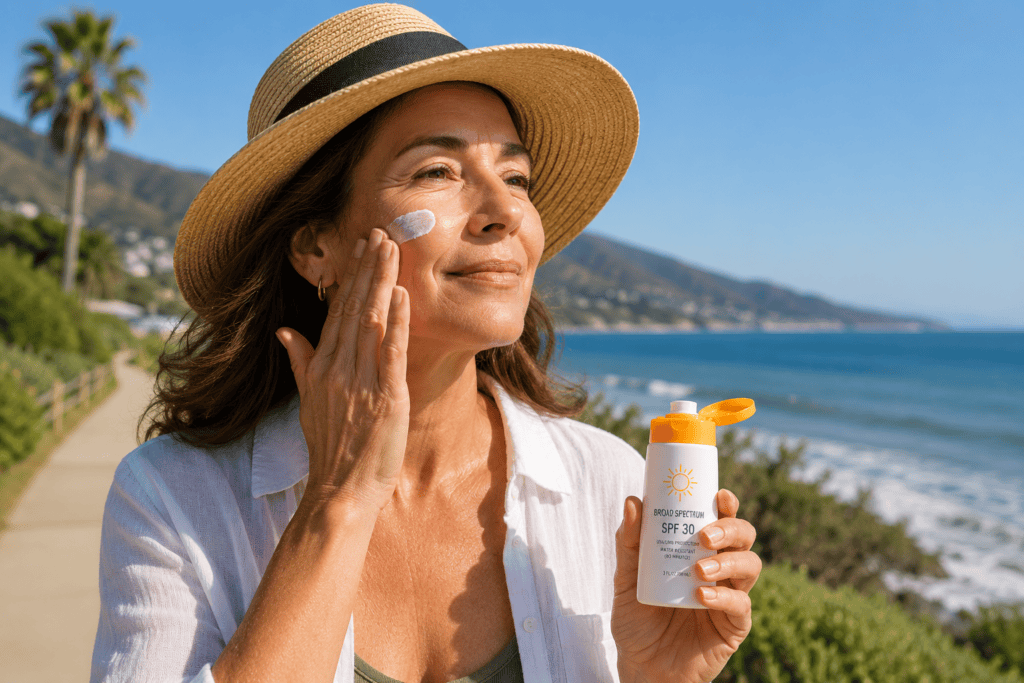
- Use broad-spectrum sunscreen SPF 30 or higher every day
- Avoid tanning beds
- Wear hats, sunglasses, and sun-protective clothing
- Stop smoking
- Use a gentle cleanser
- Moisturize daily
- Avoid harsh scrubs or over-exfoliation
- Maintain good sleep habits
- Eat a balanced diet rich in fruits, vegetables, protein, and healthy fats
- Treat dryness and irritation early
Medications
Prescription retinoids such as tretinoin and tazarotene have the strongest evidence for improving wrinkles, collagen production, skin texture, and photoaging.
Retinoids (Collagen Builders)
- Adapalene
- Retinaldehyde (Retinal)
- Tretinoin
- Tazarotene
Antioxidants / Barrier Support
- Vitamin C
- Niacinamide (Nicotinamide)
Pigmentation Treatments
- Azelaic Acid
- Hydroquinone
- Cysteamine
Hydration / Skin Barrier Support
- Hyaluronic Acid
- Ceramides
Clinical Pearl
Niacinamide is one of the best ingredients to pair with tretinoin or tazarotene because it can help reduce irritation while improving skin barrier function.For more detailed information about the various medications commonly used to treat aging skin, including dosing, side effects, and what to expect, visit our Anti-Aging Medication Guide.
Anti-Aging Effectiveness Ranking
Not sure which anti-aging treatment is right for you? Use this table as a general guide. Your APNS provider will recommend the most appropriate treatment based on your skin type, goals, and medical history.
| Treatment | Collagen Stimulation | Fine Lines & Wrinkles | Pigmentation | Texture Improvement | Tolerability | Overall Anti-Aging Strength |
|---|---|---|---|---|---|---|
| Tazarotene | ★★★★★ | ★★★★★ | ★★★★★ | ★★★★★ | ★★☆☆☆ | ★★★★★ |
| Tretinoin | ★★★★★ | ★★★★★ | ★★★★★ | ★★★★★ | ★★★☆☆ | ★★★★★ |
| Retinaldehyde (Retinal) | ★★★★☆ | ★★★★☆ | ★★★★☆ | ★★★★☆ | ★★★★☆ | ★★★★☆ |
| Adapalene | ★★★☆☆ | ★★★☆☆ | ★★☆☆☆ | ★★★☆☆ | ★★★★☆ | ★★★☆☆ |
| Vitamin C | ★★★☆☆ | ★★☆☆☆ | ★★★★★ | ★★☆☆☆ | ★★★★☆ | ★★★★☆ |
| Hydroquinone | ☆☆☆☆☆ | ☆☆☆☆☆ | ★★★★★ | ★★☆☆☆ | ★★★☆☆ | ★★★☆☆ |
| Cysteamine | ☆☆☆☆☆ | ☆☆☆☆☆ | ★★★★☆ | ★★☆☆☆ | ★★★☆☆ | ★★★☆☆ |
| Azelaic Acid | ★★☆☆☆ | ★★☆☆☆ | ★★★★☆ | ★★☆☆☆ | ★★★★★ | ★★★☆☆ |
| Niacinamide | ★★☆☆☆ | ★★☆☆☆ | ★★★☆☆ | ★★☆☆☆ | ★★★★★ | ★★★☆☆ |
| Hyaluronic Acid | ☆☆☆☆☆ | ★★☆☆☆* | ☆☆☆☆☆ | ★★☆☆☆ | ★★★★★ | ★★☆☆☆ |
| Ceramides | ☆☆☆☆☆ | ★☆☆☆☆ | ☆☆☆☆☆ | ★★☆☆☆ | ★★★★★ | ★★☆☆☆ |
Note: *Primarily through hydration and plumping effects rather than true collagen stimulation.
Interpretation of the Rankings
Tier 1 – Prescription Retinoids (Gold Standard)
Tazarotene and Tretinoin
These are the only topical anti-aging treatments with extensive evidence demonstrating:- Increased collagen production
- Reduced collagen breakdown
- Improvement in fine lines
- Improvement in wrinkles
- Improvement in texture
- Improvement in pigmentation
- Partial reversal of photoaging
Tier 2 – Advanced Non-Prescription Retinoids
Retinaldehyde (Retinal)
Retinaldehyde sits between retinol and prescription retinoids. Advantages:- Less irritating than tretinoin
- Better tolerated than tazarotene
- Strong anti-aging evidence
- Available without a prescription
Tier 3 – Supporting Anti-Aging Ingredients
Vitamin C
Niacinamide
Azelaic Acid
These ingredients do not stimulate collagen to the same degree as retinoids but can provide substantial benefits. Vitamin C:- Antioxidant protection
- Brightening
- Pigmentation improvement
- Prevention of future photoaging
- Improves skin barrier
- Reduces redness
- Improves hydration
- Helps tolerate retinoids
- Improves pigmentation
- Helps rosacea
- Reduces redness
- Useful for sensitive skin
Tier 4 – Pigmentation Specialists
Hydroquinone
Cysteamine
These treatments are primarily chosen when:- Age spots
- Sun spots
- Melasma
- Uneven pigmentation
Tier 5 – Barrier and Hydration Support
Hyaluronic Acid
Ceramides
These ingredients improve:- Hydration
- Skin barrier function
- Dryness
- Irritation
If Your Main Goal Is…
Use this table as a quick reference when comparing common anti-aging treatments.
| If Your Main Goal Is… | Best Choice |
|---|---|
| Maximum wrinkle reduction | Tazarotene |
| Most evidence-based anti-aging treatment | Tretinoin |
| Strong anti-aging without prescription | Retinaldehyde |
| Beginner retinoid | Adapalene |
| Brightening dull skin | Vitamin C |
| Improving age spots | Hydroquinone |
| Improving melasma | Hydroquinone or Cysteamine |
| Sensitive skin anti-aging | Niacinamide |
| Rosacea and aging skin | Azelaic Acid |
| Hydration and plumping | Hyaluronic Acid |
| Barrier repair | Ceramides |
| Complete anti-aging routine | Retinoid + Vitamin C + Niacinamide + Sunscreen |
Quick Decision Guide
Not sure which ingredient best matches your skin concerns? This quick guide can help point you in the right direction.
| If Your Main Goal Is… | Consider |
|---|---|
| Wrinkles | Tretinoin, Tazarotene |
| Age Spots | Hydroquinone |
| Melasma | Hydroquinone, Cysteamine |
| Sensitive Skin | Niacinamide, Azelaic Acid |
| Dry Skin | Hyaluronic Acid, Ceramides |
| Beginner Retinoid | Adapalene |
| Strongest Non-Prescription Retinoid | Retinaldehyde |
A practical evidence-based ranking for overall anti-aging effectiveness would be:
Tazarotene → Tretinoin → Retinaldehyde → Vitamin C → Adapalene → Niacinamide ≈ Azelaic Acid → Hydroquinone ≈ Cysteamine → Hyaluronic Acid → Ceramides
Procedures
Some patients may benefit from cosmetic or dermatologic procedures, including:
- Chemical peels
- Microneedling
- Laser resurfacing
- Fractional laser treatments
- Intense pulsed light (IPL)
- Radiofrequency microneedling
- Neuromodulators such as Botox®
- Dermal fillers
- Platelet-rich plasma (PRP)
- Skin tightening procedures
Procedures are often used when topical treatments are not enough for deeper wrinkles, significant sun damage, scars, or skin laxity.
What Should I Expect To Do To Manage Aging Skin?
Managing aging skin usually requires a long-term routine. Most patients benefit from daily prevention, consistent topical treatment, and periodic follow-up.
Labs
Most patients with aging skin do not need routine lab testing unless there is concern for another medical condition.
Thyroid Function Tests
What It Measures
Thyroid hormone levels
What Results Mean
Abnormal thyroid levels can contribute to dry, thin, or fragile skin
How Often
Only if symptoms suggest thyroid disease
Vitamin D Level
What It Measures
Vitamin D status
What Results Mean
Low vitamin D may occur in patients avoiding sun exposure, though sunscreen use alone usually does not require testing
How Often
Only if clinically indicated
Iron Studies / CBC
What It Measures
Anemia or iron deficiency
What Results Mean
May be checked if there is hair loss, fatigue, poor healing, or unusual bruising
How Often
Only if clinically indicated
Hormonal Testing
What It Measures
Estrogen, testosterone, or other hormones
What Results Mean
May be considered if skin changes occur with menopause, PCOS, or other hormonal symptoms
How Often
Only if clinically indicated
Diagnostics
Aging skin is usually diagnosed by clinical examination.
Skin Examination
What It Measures
Texture, wrinkles, pigmentation, thinning, bruising, sun damage
What Results Mean
Helps determine severity of aging skin and whether lesions need further evaluation
How Often
At routine visits or annually if significant sun damage
Full-Body Skin Check
What It Measures
Screens for precancerous spots and skin cancers
What Results Mean
Important because sun damage that ages skin also increases skin cancer risk
How Often
Often yearly for higher-risk patients
Dermoscopy
What It Measures
Magnified evaluation of skin lesions
What Results Mean
Helps distinguish benign sun spots from concerning lesions
How Often
As needed
Skin Biopsy
What It Measures
Microscopic evaluation of a suspicious spot
What Results Mean
Used if a lesion may be precancerous or cancerous
How Often
As needed
Referrals
Who Manages Aging Skin?
A Primary Care Provider may help identify general skin concerns, screen for medical causes of fragile skin, review medications, and refer when needed.
However, aging skin, photoaging, precancerous lesions, and cosmetic treatment planning are more commonly managed by a dermatologist, also called a skin doctor.
A dermatologist can:
- Diagnose the type and severity of photoaging
- Identify precancerous or cancerous lesions
- Prescribe topical retinoids
- Recommend pigmentation treatments
- Perform cosmetic procedures
- Treat fragile, bruising, or thinning skin
- Create a long-term skin maintenance plan
Your PCP may handle some aspects of aging skin, but more commonly a specialist in dermatology manages this condition. It is common for your PCP to refer you to a dermatologist who can make a formal and accurate diagnosis of the specific type and severity of your skin condition. Sometimes, your PCP can continue a treatment regimen your dermatologist has started. Other times, your condition may be more complex, advanced, or cosmetic-procedure focused and requires the dermatologist to continue your care.
Is Aging Skin Curable?
Aging skin is not “curable” because aging is a normal lifelong process. However, many signs of aging skin can be improved, slowed, or partially reversed, especially when they are caused by sun damage.
Topical retinoids, sunscreen, antioxidants, moisturizers, and dermatologic procedures can improve:
- Fine lines
- Texture
- Brown spots
- Roughness
- Uneven tone
- Early wrinkles
Deeper wrinkles, sagging skin, and significant volume loss may require procedures for best results.
How Can I Help My Aging Skin?
You can help aging skin by focusing on prevention and consistency.
Most helpful steps include:
- Wear sunscreen every day
- Avoid tanning beds
- Start a retinoid if appropriate
- Use moisturizer daily
- Avoid smoking
- Avoid picking or aggressively exfoliating the skin
- Use vitamin C or niacinamide if tolerated
- Get suspicious spots checked
- Be patient: topical treatments often take 3–6 months to show meaningful improvement
- Continue treatment long-term to maintain results
The most important anti-aging product is daily sunscreen, and the most evidence-based prescription anti-aging treatments are topical retinoids.
Anti-Aging Treatment FAQs
How do retinoids help with aging skin?
Retinoids encourage skin renewal and support collagen production, which can improve skin texture, reduce the appearance of fine lines, and help fade sun damage and discoloration over time. Because these improvements occur gradually, consistent use over several months is usually needed to achieve the best results.
How long until I see results?
Anti-aging treatments require patience. Some people notice smoother skin within a few weeks, but visible improvements in fine lines, wrinkles, skin texture, and pigmentation often take 3–6 months or longer with consistent use. Continuing treatment and protecting your skin from the sun are important for maintaining results.
Is peeling and irritation normal?
Yes. Mild redness, dryness, flaking, and peeling are common when starting a retinoid. This adjustment period, sometimes called retinization, usually improves as your skin becomes accustomed to treatment. Using a gentle moisturizer, introducing the medication gradually, and following your provider’s instructions can help reduce irritation.
Do I need sunscreen while using a retinoid?
Yes. Daily use of a broad-spectrum sunscreen with SPF 30 or higher is strongly recommended. Retinoids can make your skin more sensitive to sunlight, and protecting your skin from UV exposure helps preserve the benefits of treatment while reducing additional sun damage and premature aging.
Can people with sensitive skin use retinoids?
Often, yes. Many people with sensitive skin can successfully use retinoids by starting with less frequent applications, using a moisturizer to support the skin barrier, and gradually increasing use as tolerated. Your healthcare provider can recommend a treatment plan that matches your skin type and goals.
Where Can I Get More Information About Aging Skin?
Trusted resources include:
American Academy of Dermatology
Skin Cancer Foundation
National Institutes of Health
MedlinePlus
Mayo Clinic
Cleveland Clinic
https://my.clevelandclinic.org
American Society for Dermatologic Surgery
American Society for Laser Medicine and Surgery
Ready to build a personalized anti-aging plan?
Every person’s skin ages differently. During your telehealth consultation, an APNS provider will evaluate your skin concerns, discuss your goals, and recommend evidence-based treatment options tailored to your needs. Get started today with convenient, affordable care from wherever you are.