
Get Expert Acne Care Online
Acne is one of the most common reasons people seek dermatologic care, but effective treatment doesn’t always require an in-person visit.
At APNS, our experienced healthcare providers evaluate your skin, discuss your concerns and treatment goals, and develop a personalized treatment plan based on the type and severity of your acne. Whether you’re dealing with occasional breakouts, persistent adult acne, or painful inflammatory acne, we can help you find a treatment approach that fits your needs.
On this page, you’ll learn what acne is, what causes it, the treatment options available, and what you can do to help prevent future breakouts and permanent scarring.
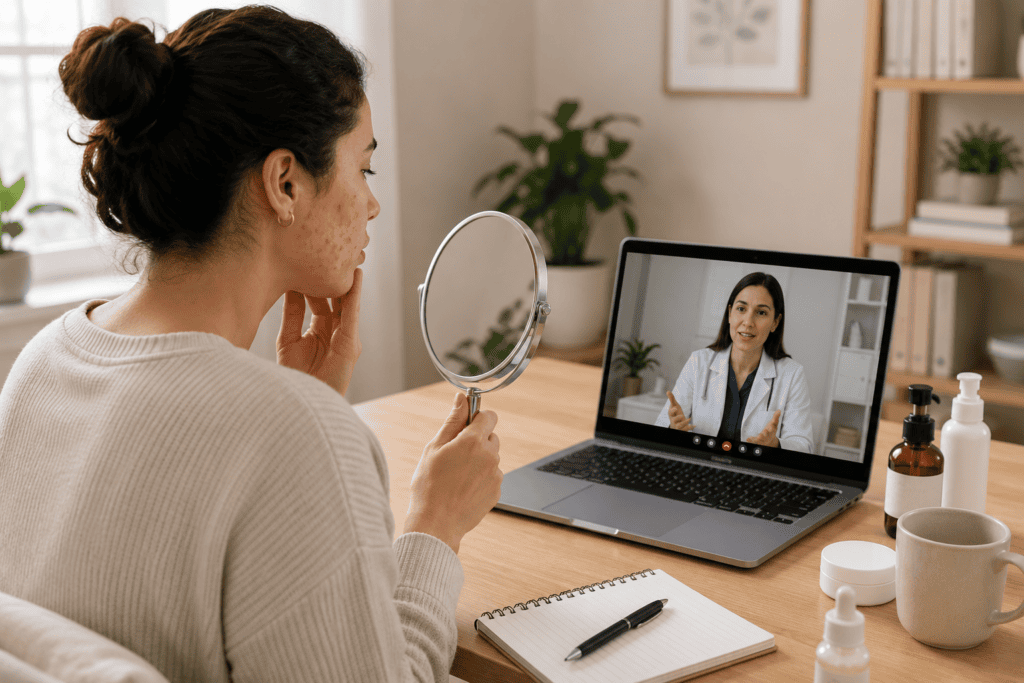
About Acne Vulgaris
What is Acne?
Acne vulgaris is a chronic inflammatory skin condition that occurs when hair follicles (pores) become clogged with oil (sebum), dead skin cells, and bacteria. This can lead to blackheads, whiteheads, pimples, pustules, nodules, and cysts.
Acne most commonly affects the:
- Face
- Forehead
- Chest
- Upper back
- Shoulders
The severity of acne ranges from occasional breakouts to severe cystic acne that may cause permanent scarring.
Disease Statistics
Acne vulgaris is one of the most common skin conditions in the United States and worldwide.
- Approximately 50 million Americans experience acne each year.
- Acne affects up to 85% of adolescents and young adults between the ages of 12 and 24.
- Acne can occur at any age and increasingly affects adults, particularly women.
- Acne is one of the most common reasons for visits to dermatologists.
- Untreated or severe acne can result in permanent scarring and significant emotional distress, including anxiety, depression, and reduced self-confidence.
Table of Contents
Table of Contents
What Causes Acne?
Several factors contribute to acne development:
Excess Oil Production
Hormones stimulate the skin’s oil glands to produce more sebum. Excess oil can clog pores.
Clogged Hair Follicles
Dead skin cells may become trapped within pores and combine with oil to form plugs.
Bacteria
Cutibacterium acnes (formerly Propionibacterium acnes) naturally lives on the skin but can contribute to inflammation when trapped within pores.
Inflammation
The body’s immune response contributes to redness, swelling, and tenderness.
Hormonal Changes
Acne commonly worsens during:
- Puberty
- Menstrual cycles
- Pregnancy
- Menopause
- Certain endocrine disorders such as PCOS
Genetics
Acne often runs in families.
Other Contributing Factors
- Stress
- Certain medications
- Heavy or oily cosmetics
- Occlusive clothing or equipment
- Picking or squeezing lesions
How Is Acne Treated?
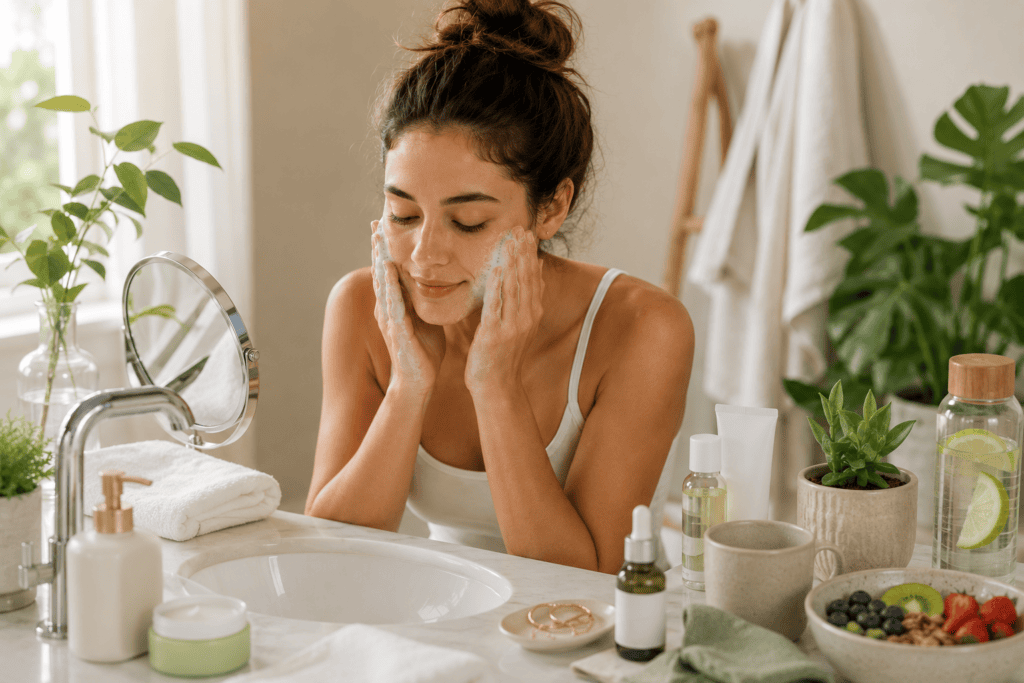
Lifestyle Changes
Many patients benefit from:
- Washing the face gently twice daily
- Using non-comedogenic skincare products
- Wearing sunscreen daily
- Avoiding picking or squeezing pimples
- Using gentle moisturizers
- Removing makeup before sleeping
- Managing stress
- Identifying personal dietary triggers when present
Medications
Common medications include:
Topical Retinoids
- Adapalene
- Aklief (Trifarotene)
- Tretinoin
- Tazarotene
Used for:
- Blackheads
- Whiteheads
- Acne prevention
- Scar prevention
Topical Antimicrobials
- Benzoyl Peroxide
- Clindamycin
- BenzaClin
- Dapsone
Used for:
- Inflammatory acne
- Red bumps
- Pustules
Topical Anti-Inflammatory Agents
- Azelaic Acid
- Ivermectin
- Metronidazole
Used for:
- Acne
- Rosacea
- Redness
- Hyperpigmentation
Oral Antibiotics
- Doxycycline
- Minocycline
Used for:
- Moderate acne
- Severe acne
- Cystic acne
Hormonal Treatments
- Spironolactone
- Combined Hormonal Birth Control Pills
- Winlevi (Clascoterone) Cream
Used for:
- Hormonal acne
- Jawline acne
- Adult female acne
Oral Retinoids
- Isotretinoin (Accutane) – APNS does not prescribe Accutane.
Used for:
- Severe cystic acne
- Scarring acne
- Treatment-resistant acne
For more detailed information about the various medications commonly used to treat acne, including dosing, side effects, and what to expect, visit our Acne Medication Guide.
Procedures
Some patients may benefit from:
Chemical Peels
Used to improve:
- Blackheads
- Whiteheads
- Hyperpigmentation
Microneedling
Used to improve:
- Acne scars
- Skin texture
Laser Treatments
Used to improve:
- Acne scars
- Redness
- Pigmentation
Subcision
Used to improve:
- Depressed acne scars
Cortisone Injections
Used to improve:
- Large cystic lesions
What Should I Expect To Do To Manage My Acne?
Most patients require ongoing treatment and follow-up.
Daily Skin Care
Patients are commonly advised to:- Wash gently twice daily
- Apply medications consistently
- Use sunscreen
- Moisturize regularly
Follow-Up Visits
Most patients are seen:
- Every 2–3 months during treatment adjustments
- Every 6–12 months once acne is stable
Labs
Most acne patients do not require laboratory testing.
However, some medications require monitoring.
Potassium Level
What It Measures
Potassium in the blood.
Why It Is Checked
Spironolactone can increase potassium levels.
What Results Mean
High potassium may require medication adjustment.
How Often
Varies based on age and medical history.
Pregnancy Test
What It Measures
Presence of pregnancy.
Why It Is Checked
Required before and during isotretinoin treatment.
What Results Mean
Positive tests require immediate medication review.
How Often
Monthly during isotretinoin treatment.
Liver Function Tests
What It Measures
Liver enzyme levels.
Why It Is Checked
Some oral acne medications can affect the liver.
How Often
As directed by your healthcare provider.
Lipid Panel
What It Measures
Cholesterol and triglycerides.
Why It Is Checked
Isotretinoin may elevate cholesterol or triglycerides.
How Often
Typically before and during isotretinoin treatment.
Diagnostics
Acne is usually diagnosed through a physical examination.
Most patients do not require imaging or specialized testing.
Hormonal Evaluation
May be considered when acne is associated with:
- Irregular periods
- Excess facial hair
- Suspected PCOS
Referrals
Many cases of acne can be diagnosed and treated by a Primary Care Provider (PCP).
However, moderate, severe, cystic, scarring, or treatment-resistant acne is often managed by a:
Dermatologist (“Skin Doctor”)
A dermatologist specializes in:
- Acne
- Skin diseases
- Acne scarring
- Cosmetic skin procedures
Your PCP may begin treatment and refer you to a dermatologist for confirmation of diagnosis, advanced treatment options, or procedural therapies.
In some cases, your dermatologist may develop a treatment plan and your PCP may continue routine management.
More severe or complex acne may require ongoing specialist care.
Is Acne Curable?
Acne is generally considered a chronic condition rather than a disease with a permanent cure.
However, many patients achieve excellent long-term control with treatment.
Some patients experience prolonged remission, particularly after isotretinoin therapy.
How Can I Help My Acne?
You can improve acne outcomes by:
- Using medications consistently
- Avoiding picking or squeezing lesions
- Following your treatment plan
- Using sunscreen daily
- Moisturizing appropriately
- Keeping follow-up appointments
- Reporting medication side effects promptly
Early treatment is one of the most effective ways to prevent permanent acne scarring.
Clinical Pearl: Acne Scarring
Acne medications primarily help prevent new scars by controlling active acne early. While medications such as retinoids, doxycycline, minocycline, spironolactone, and isotretinoin can reduce the risk of future scarring, true pitted or indented scars usually require procedural treatments such as microneedling, laser resurfacing, subcision, or chemical peels. Early treatment is the best strategy for preventing permanent acne scars.
A Clinical Pearl is a practical tip or important takeaway that healthcare providers share to help patients better understand their condition or treatment.
Acne Treatment FAQs
How long until I see results?
Most people start to see improvements within a few weeks, with results continuing to improve over time as your treatment plan adjusts. Some treatments may take several months to reach their full effect — consistency is key.
Will acne treatment remove my scars?
Acne treatments primarily work to prevent and treat active breakouts. Some treatments may help improve discoloration or mild scarring over time, but significant scarring typically requires additional therapies such as microneedling, laser
Is acne caused by poor hygiene?
No. Acne is not caused by being dirty. It is driven by factors such as hormones, oil production, inflammation, and clogged pores — not by how often you wash your face.
Should I stop treatment once my skin clears?
Not necessarily. Many people benefit from a maintenance regimen even after their skin improves. Stopping treatment too soon can allow acne to return over time.
Why is my acne worse after starting treatment?
Some treatments cause a temporary “purge,” where existing clogged pores come to the surface more quickly. This is normal, typically starts within the first few weeks, and usually resolves within 2–8 weeks as your skin adjusts.
Where Can I Get More Information About My Acne?
Trusted resources include:
American Academy of Dermatology (AAD)
National Institute of Arthritis and Musculoskeletal and Skin Diseases (NIAMS)
Mayo Clinic
Cleveland Clinic
https://my.clevelandclinic.org
Johns Hopkins Medicine
American Osteopathic College of Dermatology
National Institutes of Health (NIH)
Centers for Disease Control and Prevention (CDC)
MedlinePlus
American Acne and Rosacea Society
Ready to take control of your acne?
Acne isn’t the same for everyone, and neither is the best treatment. Our providers evaluate your skin, discuss your concerns, and recommend a personalized treatment plan through convenient telehealth visits—all at a simple fixed price with no membership fees, no insurance requirements, and no surprise charges.