
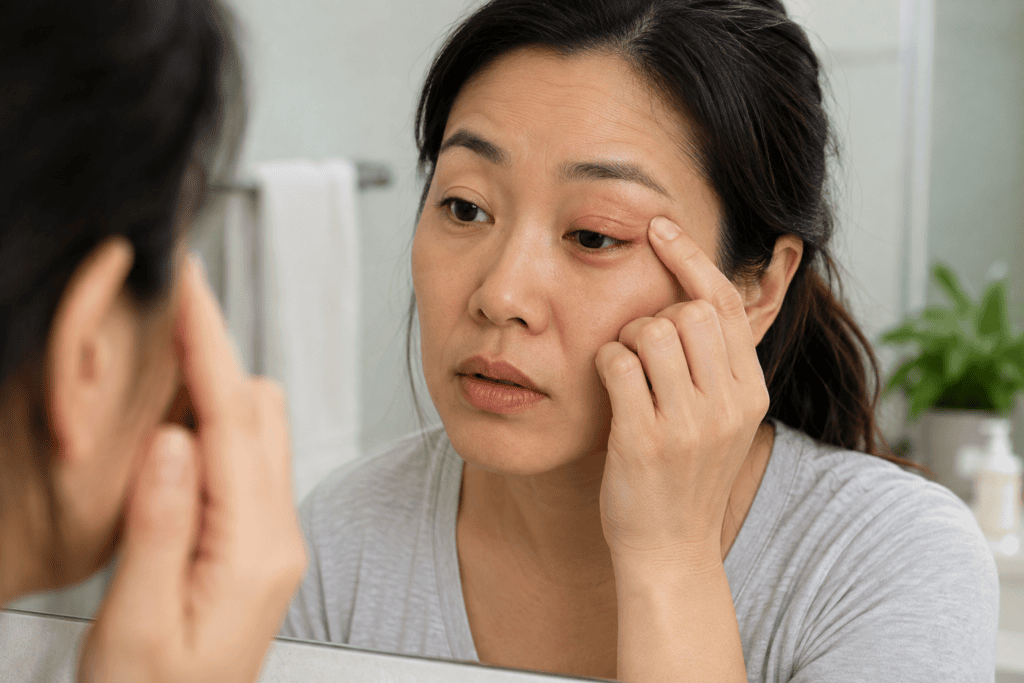
Eyelid swelling occurs when fluid or inflammation builds up in the tissues around one or both eyes. It may develop because of allergies, irritation, infection, injury, blocked eyelid glands, or other medical conditions. Eyelid swelling may be mild and temporary or severe enough to interfere with opening the eye.
Blepharitis is inflammation along the edges of the eyelids, usually near the eyelashes. It commonly causes red, swollen, itchy, or irritated eyelids and crusty or flaky material around the eyelashes. Blepharitis is not contagious and usually does not cause permanent eye damage, but it frequently returns and may require ongoing eyelid care.
There are two main types of blepharitis:
Blepharitis – National Eye Institute (NEI)
https://www.nei.nih.gov/eye-health-information/eye-conditions-and-diseases/blepharitis
Provides information about blepharitis symptoms, causes, diagnosis, treatment, and eyelid hygiene.
Eyelid Disorders – NIH MedlinePlus
https://medlineplus.gov/eyeliddisorders.html
Provides easy-to-understand information about blepharitis, styes, chalazia, eyelid swelling, and other eyelid conditions.
Blepharitis is a common eye condition that can affect people of all ages. It often occurs in both eyes and may continue for a long time or return after symptoms improve.
Eyelid swelling is also common and may occur with allergies, conjunctivitis, styes, blocked oil glands, skin conditions, injuries, or infections. Most mild cases improve after the underlying cause is treated.
Blepharitis – National Eye Institute (NEI)
https://www.nei.nih.gov/eye-health-information/eye-conditions-and-diseases/blepharitis
Explains who may develop blepharitis and how it affects the eyelids.
Symptoms may affect one or both eyelids and may come and go.
Common symptoms may include:
Blepharitis may occur with dry eye, styes, chalazia, or inflammation of the eye surface.
A healthcare provider or eye-care professional will review your symptoms and examine your eyelids, eyelashes, and eyes. They may ask about:
Blepharitis is usually diagnosed through an eye examination. A magnifying instrument or slit lamp may be used to closely examine the eyelid margins and eye surface.
Blepharitis – National Eye Institute (NEI)
https://www.nei.nih.gov/eye-health-information/eye-conditions-and-diseases/blepharitis
Explains how blepharitis is diagnosed and what to expect during an eye examination.
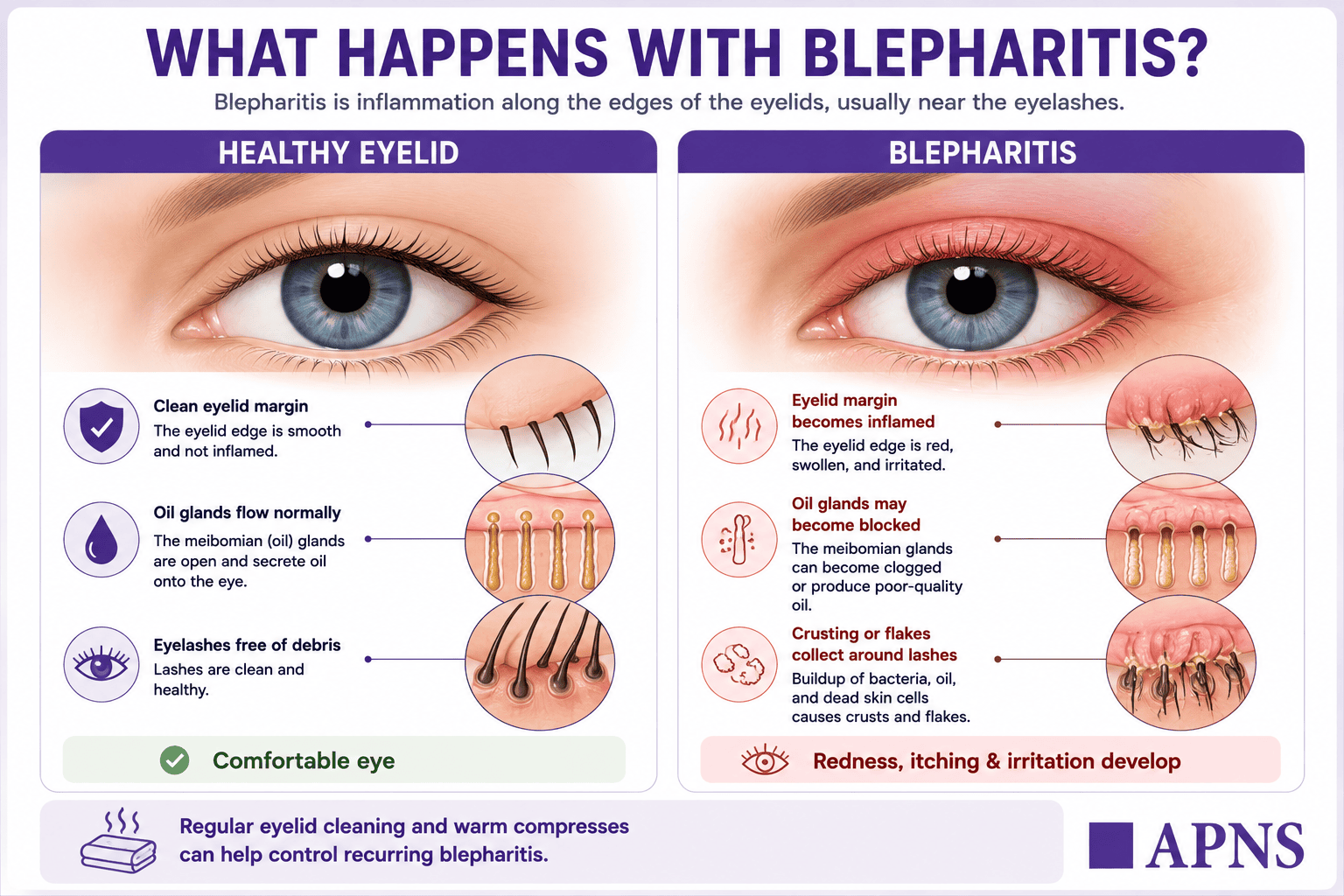
Eyelid swelling and blepharitis can have several possible causes.
Common causes include:
Blepharitis is often associated with bacterial buildup along the eyelid margin or dysfunction of the meibomian oil glands. Skin conditions such as rosacea and seborrheic dermatitis may also contribute.
Blepharitis – American Academy of Ophthalmology
https://www.aao.org/eye-health/diseases/what-is-blepharitis
Provides ophthalmologist-reviewed information about blepharitis causes, symptoms, and treatment.
Several factors may worsen eyelid irritation or cause symptoms to return.
Common factors include:
Contact lens wearers should remove their lenses and seek prompt eye care if swelling is accompanied by worsening pain, light sensitivity, discharge, or sudden blurred vision because contact lens-related corneal infections can threaten vision.
Contact Lens-Related Eye Infections – CDC
https://www.cdc.gov/contact-lenses/causes/
Explains warning signs of contact lens-related eye infections and how to reduce the risk.
Not all eyelid swelling or blepharitis can be prevented, but healthy eye and eyelid habits may reduce the risk of flare-ups.
Helpful prevention tips include:
Blepharitis – National Eye Institute (NEI)
https://www.nei.nih.gov/eye-health-information/eye-conditions-and-diseases/blepharitis
Provides recommendations for controlling eyelid inflammation and reducing recurring symptoms.
The following video content is provided to help you better understand this condition. These resources are intended for educational purposes and should not replace personalized medical advice from your healthcare provider.
Most cases of blepharitis or mild eyelid swelling do not require laboratory testing.
Laboratory tests may be considered when symptoms are severe, recurrent, unusual, or do not improve with treatment.
Possible tests may include:
A provider may collect material from the eyelid for testing when infection or excessive eyelash mites are suspected.
Laboratory Tests – NIH MedlinePlus
https://medlineplus.gov/lab-tests/
Provides information about common laboratory tests that may be used when infection, allergy, or another condition is suspected.
Most people do not require imaging or extensive testing.
Common diagnostic evaluations may include:
Eye Conditions and Diseases – National Eye Institute
https://www.nei.nih.gov/eye-health-information/eye-conditions-and-diseases
Provides information about eye examinations, eyelid disorders, and other eye conditions.
Treatment depends on the cause and severity of the eyelid swelling.
Treatment options may include:
Daily eyelid cleaning and warm compresses are often the main treatments for blepharitis. Prescription antibiotics or anti-inflammatory medications may be used when self-care is not enough.
Blepharitis Treatment – National Eye Institute
https://www.nei.nih.gov/eye-health-information/eye-conditions-and-diseases/blepharitis
Provides information about eyelid cleaning, medications, and managing recurring blepharitis.
Consistent eyelid care can help improve symptoms and reduce future flare-ups.
Helpful lifestyle changes include:
Blepharitis often requires regular eyelid care even after symptoms improve because it frequently returns.
Blepharitis – National Eye Institute (NEI)
https://www.nei.nih.gov/eye-health-information/eye-conditions-and-diseases/blepharitis
Provides practical instructions for managing blepharitis and maintaining eyelid hygiene.
Many cases improve without prescription medication.
Medications that may be recommended include:
Steroid-containing eye medications should not be used without supervision because they may worsen certain infections and can cause serious eye complications. Prescription treatment may include antibiotics, anti-inflammatory medication, or therapy for associated dry eye or skin disease.
Blepharitis Diagnosis and Treatment – Mayo Clinic
https://www.mayoclinic.org/diseases-conditions/blepharitis/diagnosis-treatment/drc-20370148
Provides information about eyelid hygiene, antibiotic treatment, inflammation control, and long-term management.
Most people with eyelid swelling or blepharitis do not require invasive procedures. However, procedures may be recommended when glands remain blocked, complications develop, or symptoms do not improve with routine care.
Possible procedures may include:
Blepharitis – American Academy of Ophthalmology
https://www.aao.org/eye-health/diseases/what-is-blepharitis
Provides information about blepharitis treatment and professional eyelid care.
Blepharitis is often a chronic or recurring condition. Symptoms may improve with treatment but return if eyelid hygiene is stopped or an underlying condition remains uncontrolled.
Most people can successfully manage blepharitis with regular warm compresses, eyelid cleaning, artificial tears, and prescribed medication when needed. The condition usually does not permanently damage vision.
Possible complications include:
Home care is an important part of treating blepharitis.
Helpful tips include:
Do not use water that is hot enough to burn the delicate eyelid skin.
Blepharitis – National Eye Institute (NEI)
https://www.nei.nih.gov/eye-health-information/eye-conditions-and-diseases/blepharitis
Provides practical information about warm compresses, eyelid cleaning, and daily management.
No. Blepharitis is not considered contagious.
Yes. Redness and swelling along the eyelid margins are common symptoms.
Yes. Allergies commonly cause itching, watering, and swelling of both eyelids.
It is generally best to stop wearing contact lenses until redness, swelling, and irritation have resolved and your eye-care professional says it is safe to resume.
Symptoms may improve within days or weeks, but the condition frequently returns and may require ongoing eyelid care.
Blepharitis usually does not cause permanent vision loss, but severe inflammation can occasionally affect the cornea or cause temporary blurred vision.
Yes. Blocked and inflamed eyelid glands can contribute to recurring styes and chalazia.

Consider asking your healthcare provider:
Many cases can be managed by a primary care provider, optometrist, or ophthalmologist.
You may be referred to:
American Academy of Ophthalmology – Eye Health
https://www.aao.org/eye-health
Provides patient education about eyelid disorders, eye specialists, and available treatment.
Temporary eyelid swelling caused by an allergy, irritation, or minor infection often resolves completely after the cause is treated.
Blepharitis is usually manageable but not permanently curable. It often returns and may require long-term eyelid hygiene and treatment of contributing conditions such as dry eye, rosacea, or dandruff.
Most people can control symptoms and prevent complications by following a consistent treatment plan.
Call 911 or seek emergency medical care immediately if you experience:
Seek urgent medical evaluation if you notice:
Pain with eye movement, fever, vision changes, or a bulging eye may indicate an infection involving tissues around or behind the eye and requires urgent treatment. Contact lens users with redness, worsening pain, light sensitivity, or sudden blurred vision should remove their lenses and contact an eye doctor immediately.
Contact Lens-Related Eye Infections – CDC
https://www.cdc.gov/contact-lenses/causes/
Explains serious warning signs that require immediate evaluation by an eye-care professional.
CALL 911
APNS does not provide emergency medical services. If you believe you are experiencing a medical emergency, including (but not limited to) chest pain, difficulty breathing, stroke symptoms, severe allergic reactions, anaphylaxis, uncontrolled bleeding, seizures, loss of consciousness, or any other potentially life-threatening condition, you are instructed to call 911 immediately or go immediately to the nearest emergency department.
Blepharitis – National Eye Institute (NEI)
https://www.nei.nih.gov/eye-health-information/eye-conditions-and-diseases/blepharitis
Reliable patient information about blepharitis symptoms, causes, treatment, and daily eyelid care.
Eyelid Disorders – NIH MedlinePlus
https://medlineplus.gov/eyeliddisorders.html
Easy-to-understand information about blepharitis, styes, chalazia, and other eyelid conditions.
Blepharitis – American Academy of Ophthalmology
https://www.aao.org/eye-health/diseases/what-is-blepharitis
Ophthalmologist-reviewed information about eyelid inflammation, diagnosis, and treatment.
Eye Health – American Academy of Ophthalmology
https://www.aao.org/eye-health
Provides patient education about eye symptoms, eyelid disorders, and eye-care specialists.
Contact Lens-Related Eye Infections – CDC
https://www.cdc.gov/contact-lenses/causes/
Provides information about preventing contact lens complications and recognizing serious eye-infection symptoms.
This guide is intended for educational purposes only and should not replace medical advice, diagnosis, or treatment from your healthcare provider or eye-care professional. Always follow the recommendations of your healthcare team regarding your individual health needs. Contact a healthcare provider if eyelid swelling worsens, repeatedly returns, does not improve with treatment, or is accompanied by discharge, pain, light sensitivity, or vision changes. Seek immediate medical care for sudden vision loss, severe eye pain, pain with eye movement, a bulging eye, fever with rapidly spreading swelling, severe facial swelling, difficulty breathing, major eye trauma, or another medical emergency.
At APNS, our providers take the time to understand your condition and your goals. We offer comprehensive telehealth visits at a fixed rate — no membership fees, no insurance required, and no unexpected charges. Whether you’re newly diagnosed or looking for a provider who actually listens, we’re here to help.